
TMJ and jaw pain · Sandgate, North Brisbane
TMJ and Jaw Pain Care in Brisbane
Jaw pain, clicking, locking and tired jaw muscles can relate to the temporomandibular joints (TMJs) and the muscles that move them. At our Sandgate clinic, Dr Andrew Bachour starts with a thorough history and examination, and talks through options only once the likely cause is clearer.
- Assessment with Dr Andrew Bachour
- 3D CBCT imaging on site
- Non-surgical options
- Referral when needed
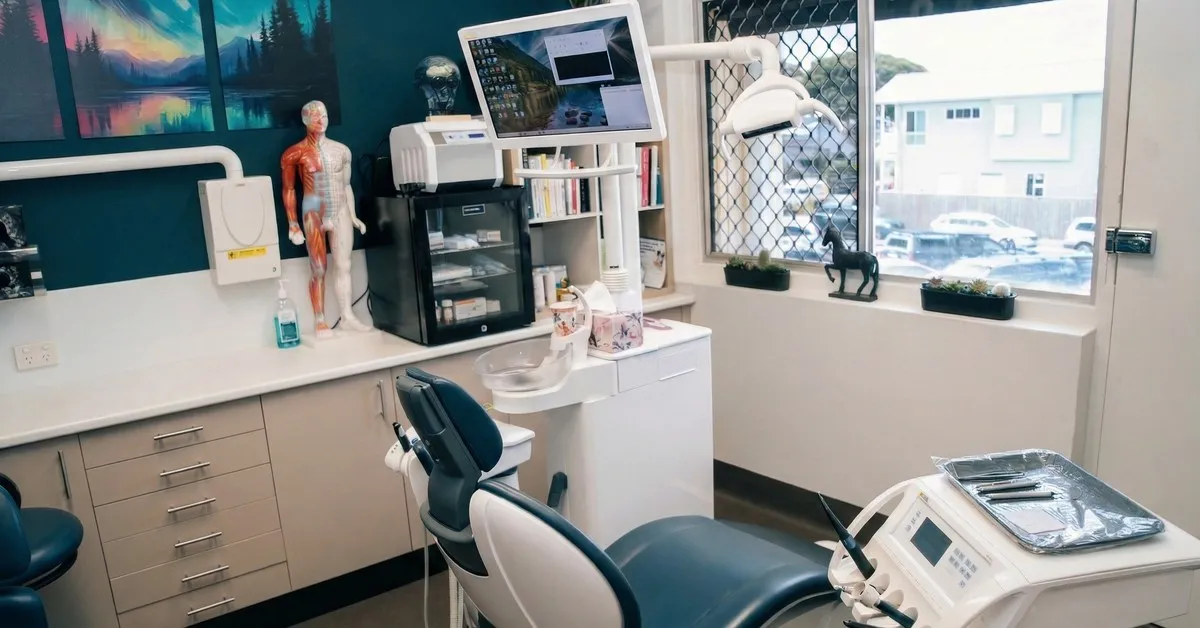
Could it be a tooth?
Pain around the jaw can also come from the teeth or gums. Dental Seasons, which shares our clinic, can look after that too.
Toothache and dental pain →Understanding the TMJ
Jaw symptoms we assess
Your TMJs sit just in front of your ears and, together with the jaw muscles, let you chew, talk and yawn. Pain in this area may come from the joint, the muscles, both, or another source entirely, so each symptom is assessed on its own merits.
Jaw pain
Aching in or around the jaw joints, often worse when chewing or opening wide.
Clicking or popping
Sounds from the joint. Painless clicking is common and does not always need treatment.
Locking or limited opening
The jaw catching, getting stuck, or not opening as far as it used to.
Muscle tightness
Aching or tension in the face, temples or neck, often first thing in the morning.
Headaches
Some headaches may be linked to the jaw. As headaches have many causes, your GP may also need to be involved.
Learn more →
Ear pain or fullness
Ear discomfort can sometimes relate to the jaw, but ear problems should also be checked by your GP.
Why it happens
Common contributors to TMJ problems
The most common condition we see is TMJ pain, a genuine medical issue resulting from dysfunction in the jaw joint. TMJ disorders can occur on their own, but they are often part of a broader, more complex problem.
Causes generally fall into two groups: a one-off injury to the jaw, or repeated strain over time, such as habitual clenching or grinding.
Macro-trauma
A single injury, such as a car accident, a sports injury or a fall.
Micro-trauma
Repeated strain, most often clenching or grinding the teeth (bruxism), which loads the jaw joint and surrounding muscles.
Teeth grinding →The sleep and breathing link
Night-time grinding is sometimes associated with sleep-related breathing problems, so we consider both together.
Sleep apnoea →Your assessment
How we assess your jaw
Every jaw is different, so we take the time to understand your symptoms before making any recommendation.
A full history
When your symptoms started, what eases or worsens them, and any past injuries or treatment.
Examination
We check jaw movement, the joints, the muscles, your bite and your teeth.
Imaging when indicated
A 3D CBCT scan may be used to look closely at the jaw joints. We explain why before it is taken.
Talking through options
We explain what we found, the options that may help, and any referral that could be useful.
When to seek urgent medical care
Call 000 or seek urgent medical care for jaw pain that comes with chest pain, shortness of breath or pain spreading to the arm, or for swelling that affects breathing or swallowing.
Non-surgical options
Options we may discuss, including splints
Which option suits you depends on your diagnosis. We do not recommend treatment until we understand what is causing your symptoms.
Occlusal splints
A custom-made appliance worn over the teeth. Depending on the diagnosis it may be worn at night, or for a short period during the day.
Splints do not suit everyone
Some people notice soreness, extra saliva, an adjustment period or changes in how the teeth meet. We review your progress and advise what is appropriate.
Referral and teamwork
If another health professional is better placed to help, such as your GP or a physiotherapist, we will tell you and refer you.
Results vary. No treatment can guarantee your symptoms will resolve.
Who you will see
TMJ assessments with Dr Andrew Bachour
Dr Andrew Bachour has advanced training in treating chronic pain of the head and neck, and is the director of the Brisbane centre of the international TMJ & Sleep Therapy Centres network.
Meet Dr Andrew Bachour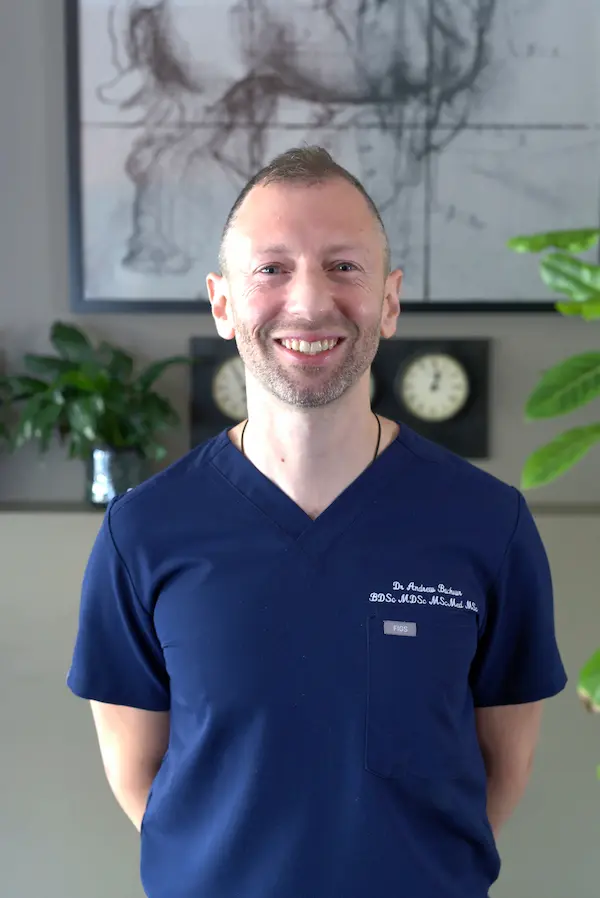
Dr Andrew Bachour
Principal Dentist
BDSc (Hons, UQ). Master's degrees in Sleep Medicine and in Orthodontics & Dentofacial Orthopaedics. General dentist registered with Ahpra (DEN0000972458).
Questions
TMJ and jaw pain questions
What is the TMJ?
The temporomandibular joints (TMJs) are the two joints just in front of your ears that connect your lower jaw to your skull. Problems with these joints and the muscles that move the jaw are called temporomandibular disorders, or TMD.
What can cause jaw pain?
Common contributors include strain on the jaw joints, overworked jaw muscles, clenching or grinding, past injury and dental problems. A thorough assessment is needed to work out what applies to you.
Is jaw clicking something to worry about?
Clicking without pain is common and does not always need treatment. We assess it through your history and an examination.
Will I need a scan?
A 3D CBCT scan is often used to look closely at the jaw joints when it is clinically indicated. We explain why before any scan is taken.
Do I need a referral?
No. You can book an assessment without a referral by calling (07) 3269 2064.
Can you guarantee my jaw pain will go away?
No. Results vary from person to person. Our aim is to understand the cause, discuss options that may help, and refer you if another professional is better placed.
Living with jaw pain?
Call our Sandgate clinic to book an assessment for jaw pain, clicking, locking or tight jaw muscles.