
Bruxism · Sandgate, North Brisbane
Teeth Grinding and Clenching in Brisbane
Grinding or clenching your teeth (bruxism) can wear teeth, break fillings and leave your jaw sore and tired. We look at your teeth, jaw muscles, bite and sleep before suggesting anything, and not everyone who grinds needs treatment.
- Custom occlusal splints
- Jaw and bite assessment
- Sleep link considered
- Adults and children
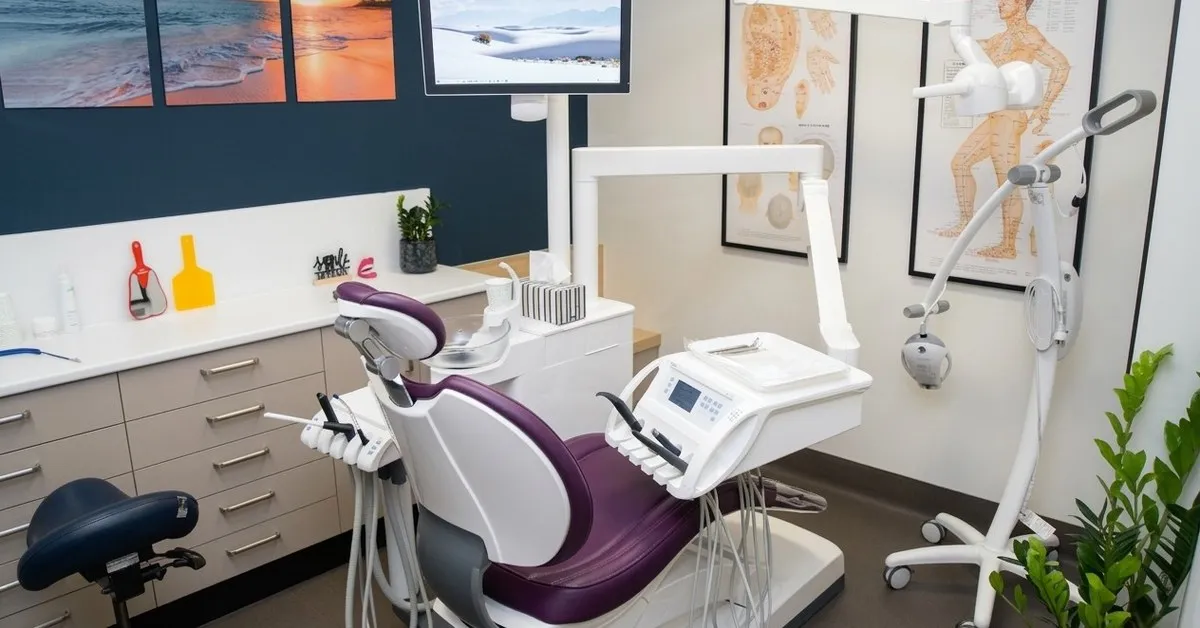
Jaw pain, clicking or headaches?
These symptoms may need a jaw assessment rather than being put down to grinding alone.
TMJ and jaw pain →Understanding bruxism
What is teeth grinding?
Bruxism means clenching or grinding the teeth outside of normal chewing. It is common, but it is not normal, and it is classified as a movement disorder. Some people notice it themselves, while others only find out from a partner or at a dental check-up.
Daytime clenching
Clenching while concentrating, driving, exercising or under stress. A splint alone does not address this habit.
Night-time grinding
Grinding or clenching during sleep. Because it is unconscious, it is often noticed through sound, wear or morning symptoms.
Not everyone needs treatment
Treatment is considered when grinding is causing a real problem, such as wear, repeated broken fillings or sore muscles.
Signs to look for
Signs of grinding and clenching
Many of these signs have other possible causes, so we check before assuming grinding is to blame.
01
Worn teeth
Flattened or shortened biting edges.
02
Cracked teeth or fillings
Heavy forces can contribute to cracks and breakages.
03
A tired or sore jaw
Tightness or aching in the jaw, often first thing in the morning.
04
Head or facial discomfort
Discomfort around the temples, jaw or face.
There is often no single cause. Stress, anxiety, sleep-related factors, alcohol, caffeine, smoking and some medications have all been associated with grinding.
Occlusal splints
How a custom splint is made
An occlusal splint, sometimes called a bite splint or night guard, is a custom appliance that fits over your upper or lower teeth.
It can protect teeth from wear and reduce the load on vulnerable teeth and fillings. It does not necessarily stop the grinding itself.
Assessment
We examine your teeth, jaw muscles, jaw joints and bite to check a splint suits you.
Records
Scans or other records of your teeth are taken.
Design and fitting
The splint is designed around your bite, then fitted and checked.
Review
We review comfort and fit and adjust as needed. Bring your splint to future appointments.
Sleep and the jaw
Grinding, sleep and breathing
Night-time grinding may be the body's unconscious attempt to open the airway during sleep, and sleep bruxism can occur alongside obstructive sleep apnoea.
Loud snoring, pauses in breathing, gasping or heavy daytime sleepiness are worth raising with us. A dental examination cannot diagnose sleep apnoea, so we may suggest seeing your GP or a sleep physician.
TMJ and jaw pain
Grinding and TMJ disorders can occur together but are different problems.
TMJ and jaw pain →Existing damage
If grinding has already damaged your teeth
Protecting your teeth may be only part of the plan. Repairs to worn or broken teeth can be provided by the general dentists at Dental Seasons, who share our clinic.
Who you will see
Grinding assessments with Dr Andrew Bachour
Dr Andrew Bachour has a master's degree in Sleep Medicine and advanced training in sleep breathing disorders and chronic head and neck pain, so the jaw, teeth and sleep are considered together.
Meet Dr Andrew Bachour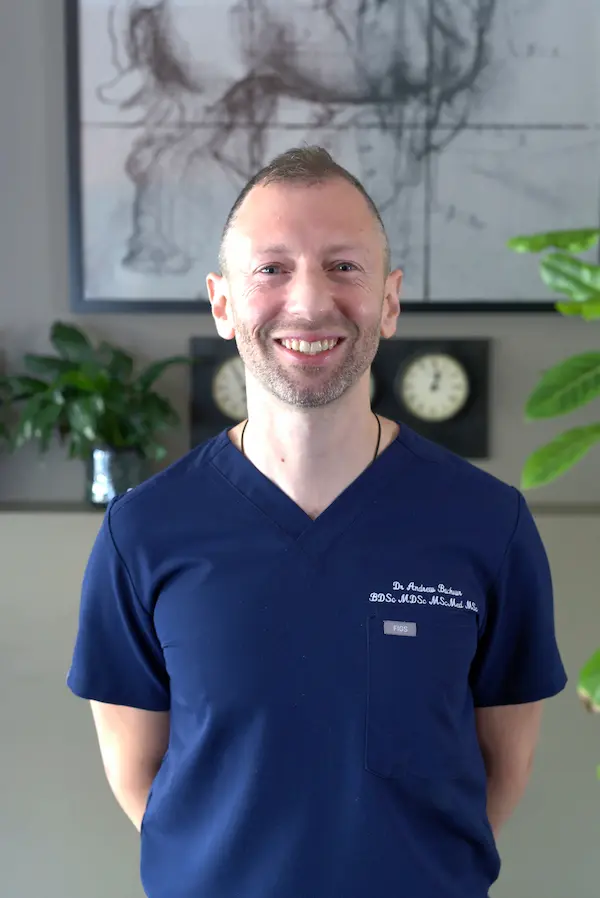
Dr Andrew Bachour
Principal Dentist
BDSc (Hons, UQ). Master's degrees in Sleep Medicine and in Orthodontics & Dentofacial Orthopaedics. General dentist registered with Ahpra (DEN0000972458).
Questions
Teeth grinding questions
How can I tell if I grind my teeth at night?
You may not know. A partner might hear it, you might wake with a sore or tired jaw, or wear and broken fillings may be noticed at a dental check-up.
Does everyone who grinds need a night guard?
No. A splint is considered when grinding is causing, or likely to cause, a real problem such as wear, damage or sore muscles.
Will a splint stop me grinding?
Not necessarily. A splint mainly protects your teeth and helps manage the effects of grinding. It does not reliably stop the habit itself.
Is teeth grinding caused by stress?
Stress and anxiety are associated with grinding, especially daytime clenching, but there is often no single cause.
Is grinding linked to sleep apnoea?
Sleep bruxism can occur alongside obstructive sleep apnoea. Loud snoring, pauses in breathing or daytime sleepiness are worth raising with us and your GP.
Can children grind their teeth?
Yes, particularly during sleep. Many children do not need treatment, but significant wear, pain or sleep concerns should be assessed.
Think you might be grinding or clenching?
Worn teeth, fillings that keep breaking or a tired jaw in the morning are all good reasons to book an assessment.